

Blog
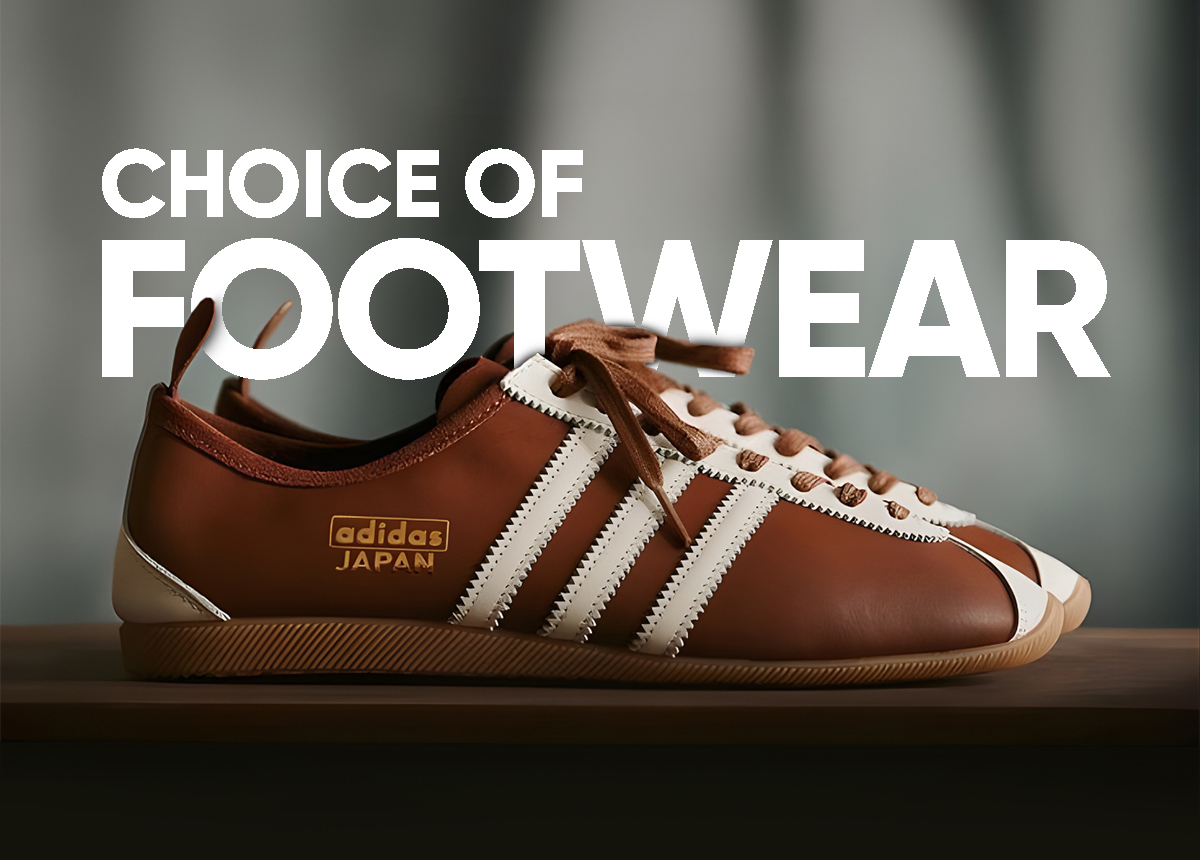
Why Your Choice of Footwear Matters
The increase in popularity towards outdoor running has caused all brands to up their footwear standards to support the growing trend. Technology, innovation and money have gone a long way in supporting people who run daily, whilst making the endeavour more comfortable and affordable to the everyday person. What this has also done, is market a specific training tool to the general population who wear shoes designed for marathons, in everyday life for comfort.
As a Strength and Conditioning Coach, it has become a pet peeve of mine to have athletes coming to land sessions or gym specific sessions with shoes designed specifically for another sport. There is always confusion when I ask them to remove shoes for squats, so let me explain why.
Running shoes are a technical shoe. They are designed to do a specific job - provide cushioning and support for someone who is running, reducing injury and aiding in performance. The design of the shoe is such that it helps the positioning of your foot striking the floor and shifts your centre of gravity forward a little to help with the repetitive motion of running. The heel is usually elevated higher than the toe, helping to shorten the calf, again aiding in the body’s ability to run further distances. Wearing a running shoe for daily life can lead to the development of poor posture and constantly having a forward tilt causes the body to adjust to this posture, potentially causing back pain and weakened calf and foot muscles.
Running shoes are a poor choice of footwear for the gym. With the design of a running shoe primarily focussed on absorbing impact with a cushioned heel, supporting forward motion and providing comfort around wearing for hours, squatting in a pair of running shoes can lead to poor technique and increase the risk of injury, especially as many young athletes also have flat feet. Whilst Hamilton Aquatics gym sessions are never focussed on heavy lifting, lifting any weight in a squishy shoe can increase the risk of injury through lack of ankle support and reduced stability.
Typically, in gym-based sessions, when athlete’s arrive wearing inappropriate shoes, it is safer to remove them, than have them try to work against the shoe for support. In the world of gym-based sports, flat shoes are the appropriate choice. Arriving with Nike Air Force Ones (which they are unwilling to crease) or Converse is not recommended, but it does make more sense than asking someone to squat in a running shoe. For land sessions, working on stability and body control is of high priority. Therefore, having the ability to control ankle stability and “feel” the floor with the foot is a cue often used in sessions.
Whilst I understand the limitations of carrying different footwear across the day, ready for any eventuality, it is a sound investment in your sport to come to training sessions prepared with footwear that will not limit your ability to complete sessions properly. Older athletes in the past have invested in a lifting shoe specifically for gym sessions allowing them more stability during lifting weights. Other’s have opted for MetCon shoes which are a CrossFit style shoe designed to be flexible enough for running short distances, but sturdy enough to enhance foot stability in weighted exercises. Having a specific shoe for land sessions means less overall wear and tear on the shoe, meaning they will last longer especially if you are no longer growing. For those who need a running shoe, wearing these in daily life will mean a replacement shoe is needed much quicker as the cushioning and sole will start to wear-away.
So, with all the information above, will you be investing in your sport performance or following the fashion trends?